Start with the meaning, not a list of banned words
Filler is wording that occupies space without doing useful work for the reader. It might repeat an idea, delay the point, or add a vague note of emphasis. Consider “The instructions were very easy to follow.” If “easy” expresses everything you mean, “very” may be expendable. But no word is filler in every sentence. In “I have only one copy,” “only” sets a real limit; removing it changes the message.
Before cutting anything, ask what the sentence needs to communicate. Is it stating a fact, making a careful distinction, setting a tone, or guiding a reader through a process? A short sentence that loses one of those jobs is not an improvement. Treat common filler words as prompts to inspect a sentence, not as items to delete on sight.
Look for repetition and slow introductions
Some of the easiest cuts remove an idea said twice. “The final outcome” can often become “the outcome,” and “repeat again” can become “repeat.” Other sentences spend several words announcing what they are about to say: “It is important to note that the opening paragraph sets the tone.” If the importance is clear from the context, try “The opening paragraph sets the tone.” The point arrives sooner, with no loss of information.
Long phrases sometimes have shorter equivalents. “In order to make the ending clearer” can become “To make the ending clearer.” “At this point in time” can usually become “now.” Read the result before accepting the change, though. A longer phrase may occasionally help mark a transition or match the pace of surrounding sentences. The goal is not to replace every phrase with the fewest possible words; it is to remove the words that make readers wait for no reason.
Keep the words that set boundaries
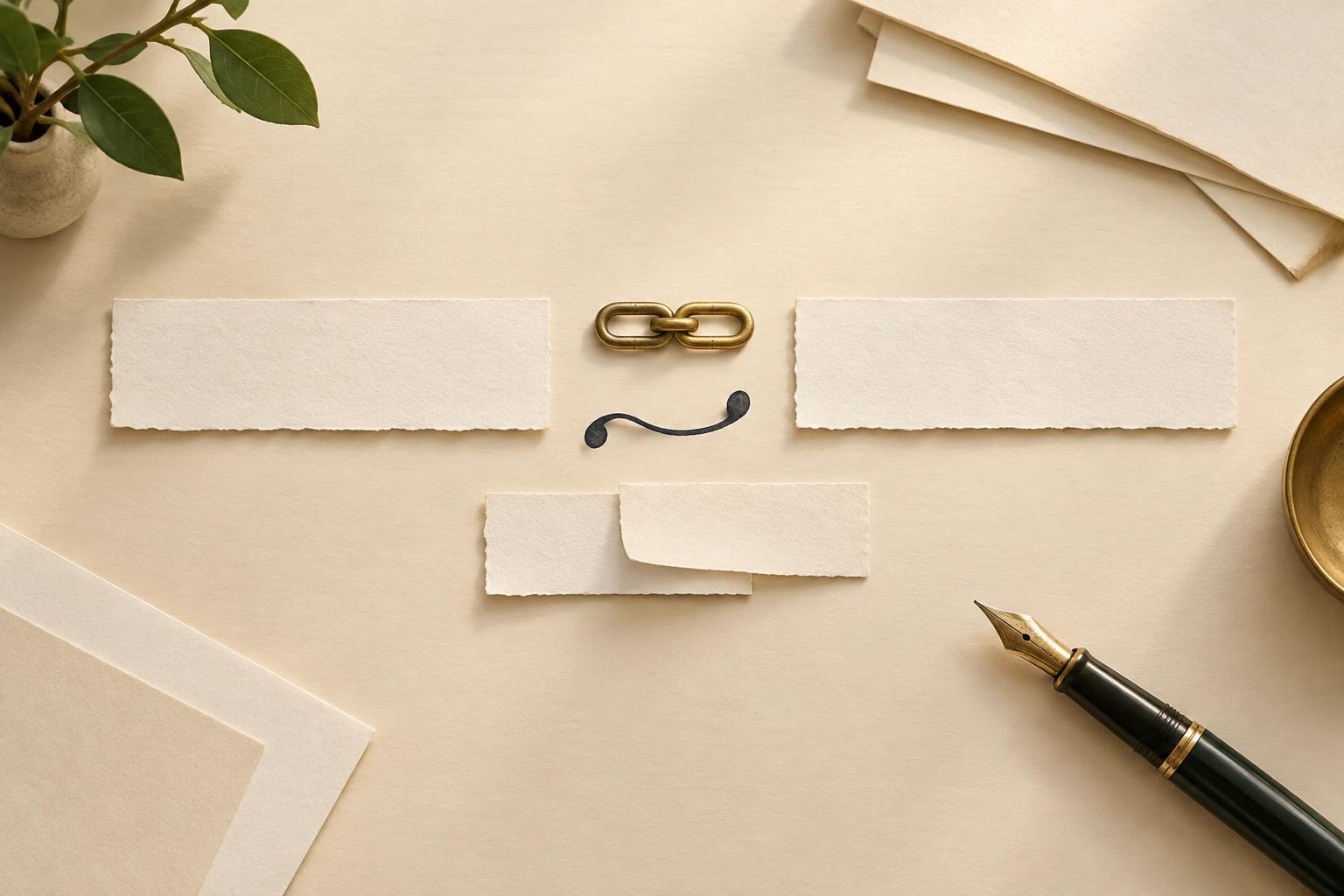
Qualifiers can look like filler because they soften a statement. Yet “often,” “usually,” and “may” can make a claim more accurate. Compare “Reading aloud reveals awkward sentences” with “Reading aloud can reveal awkward sentences.” The first sounds like a guarantee; the second leaves room for sentences that still need another kind of review. If the distinction matters, the qualifier earns its place.
The same is true of small words that identify whose experience or which case you mean. “The draft is finished” differs from “The first draft is finished.” “She almost answered” differs from “She answered.” When editing, pause over words that express degree, time, quantity, or uncertainty. Remove one only after checking whether the revised sentence still makes the same promise.
Edit for voice as well as efficiency
In conversation, words such as “well,” “actually,” and “just” can carry attitude. “I wanted to ask” may sound direct; “I just wanted to ask” may sound tentative. Neither version is automatically better. In dialogue or a personal essay, that hesitation may reveal how a speaker feels. In instructions, it may make the request less clear. Decide whether the word helps create an effect you want readers to notice.
Rhythm matters, too. A brief pause before a surprising point can make a sentence easier to follow. A repeated word may build a deliberate pattern rather than signal careless editing. Read a revised passage aloud and listen for places where a cut makes the prose abrupt or flattens a voice. Clarity gives readers the right cues, including cues about mood and emphasis.
Use a two-pass test
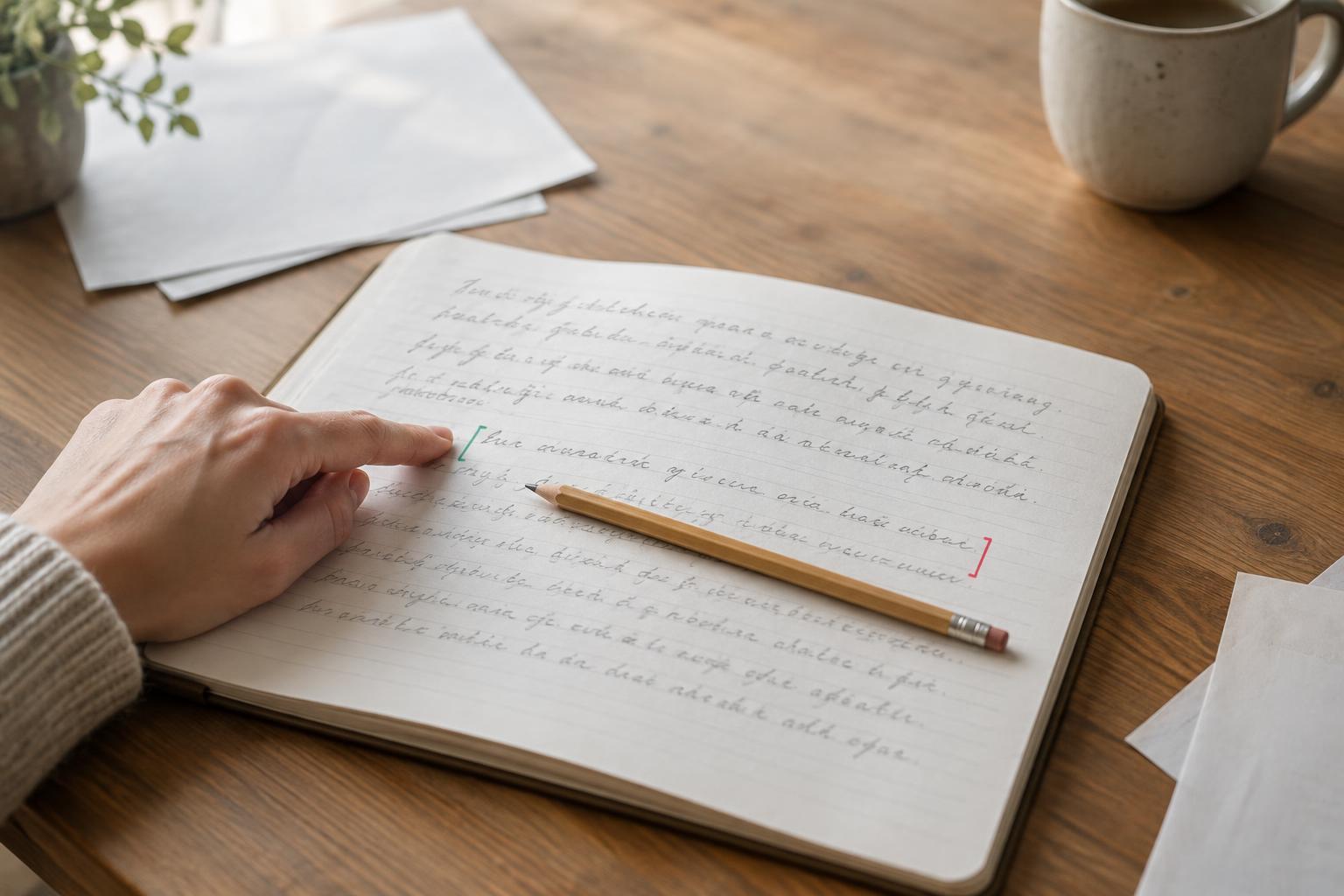
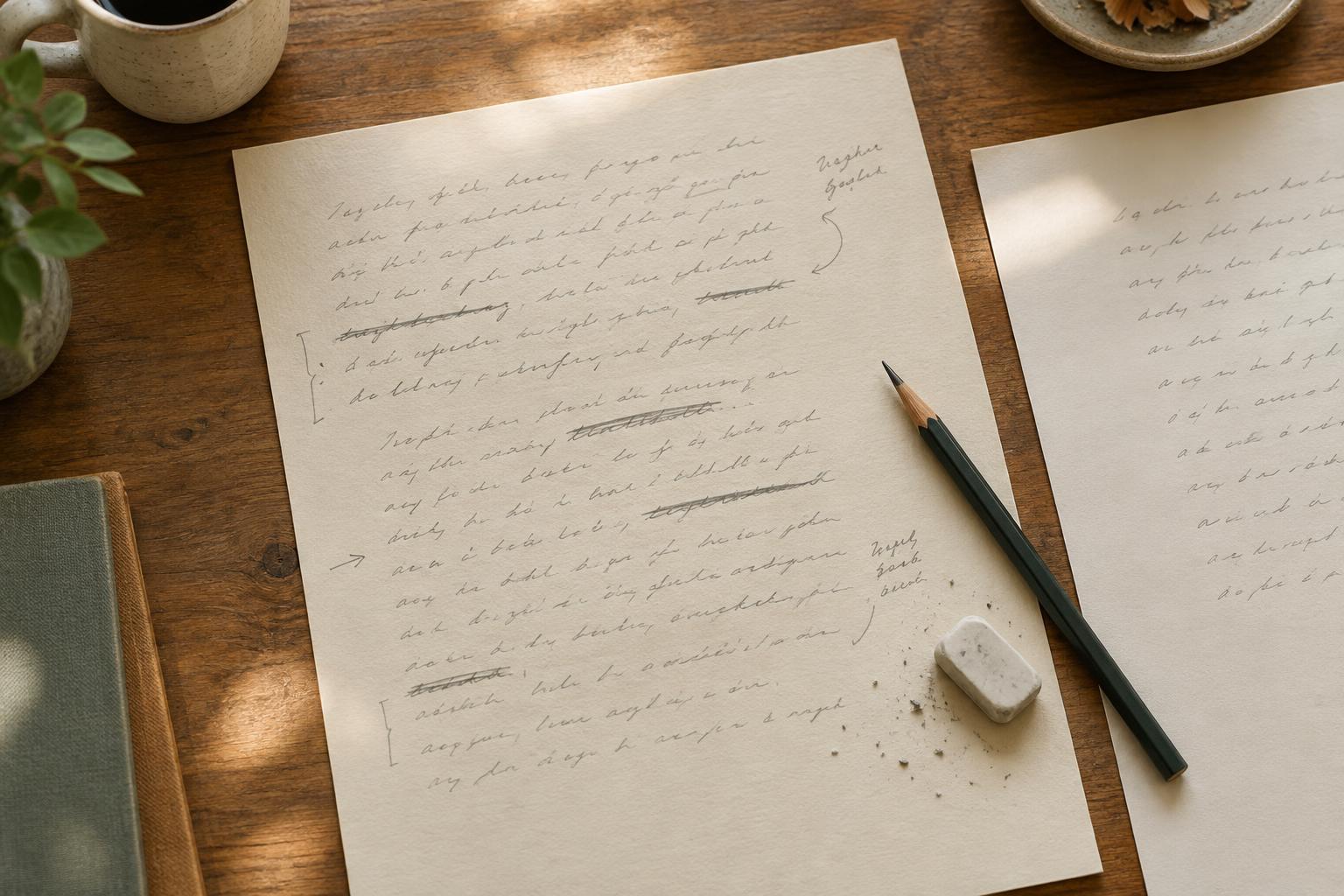
On the first pass, underline words and phrases that might be doing little work: intensifiers, repeated ideas, and introductions such as “there are” or “it is.” Try a version without each one. For example, “There are several details that make the scene feel crowded” could become “Several details make the scene feel crowded.” Put the original beside the revision so you can judge the change rather than assuming the shorter version wins.
On the second pass, check three things: meaning, tone, and flow. Does the revision keep the same limits and relationships? Does it sound like the writer who belongs in this piece? Can a reader move through it without stumbling? For practice, take one paragraph you wrote recently and cut five words. Then restore any that carry a distinction or a deliberate beat. The useful result is not a target number of cuts, but a paragraph in which every remaining word has a reason to stay.