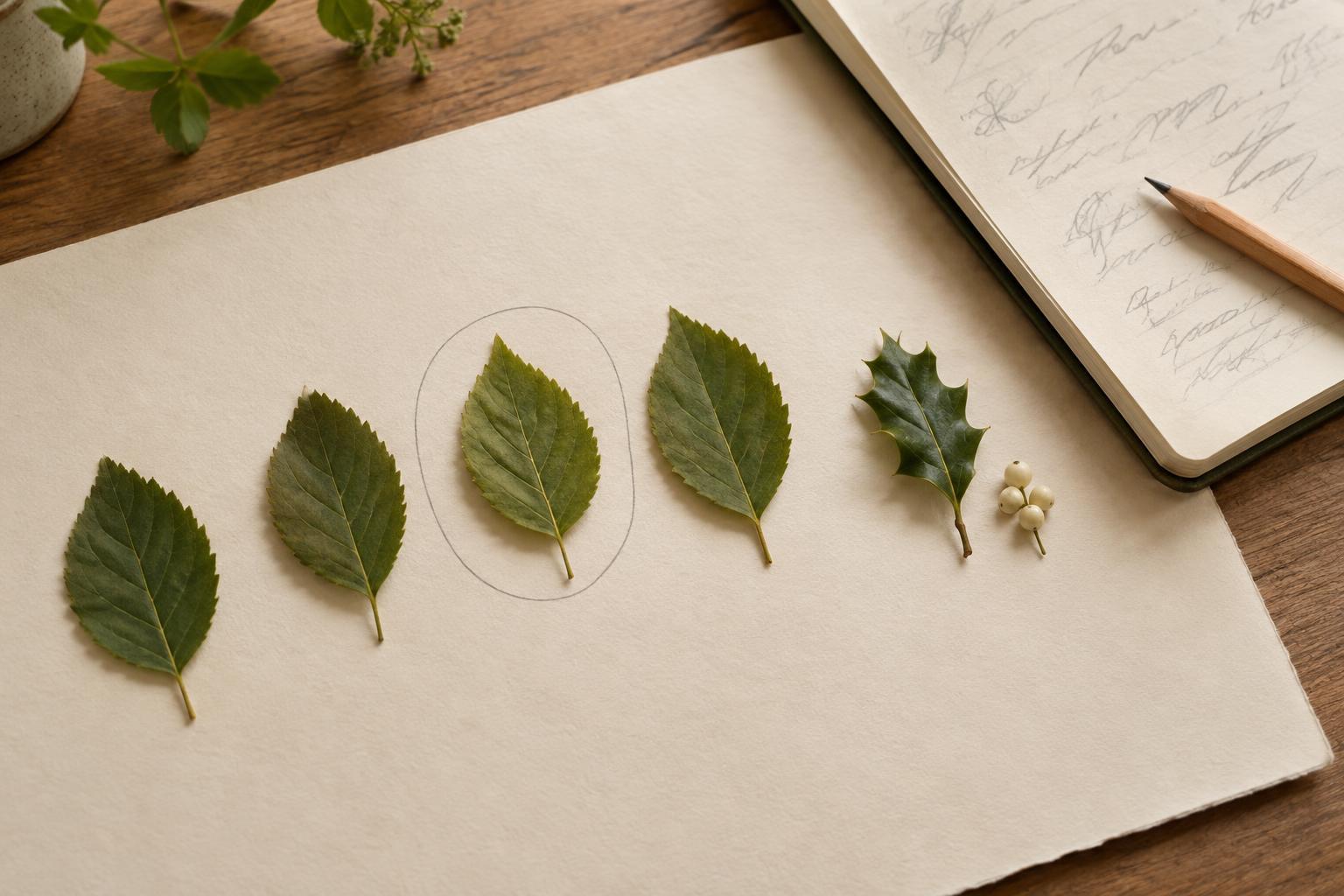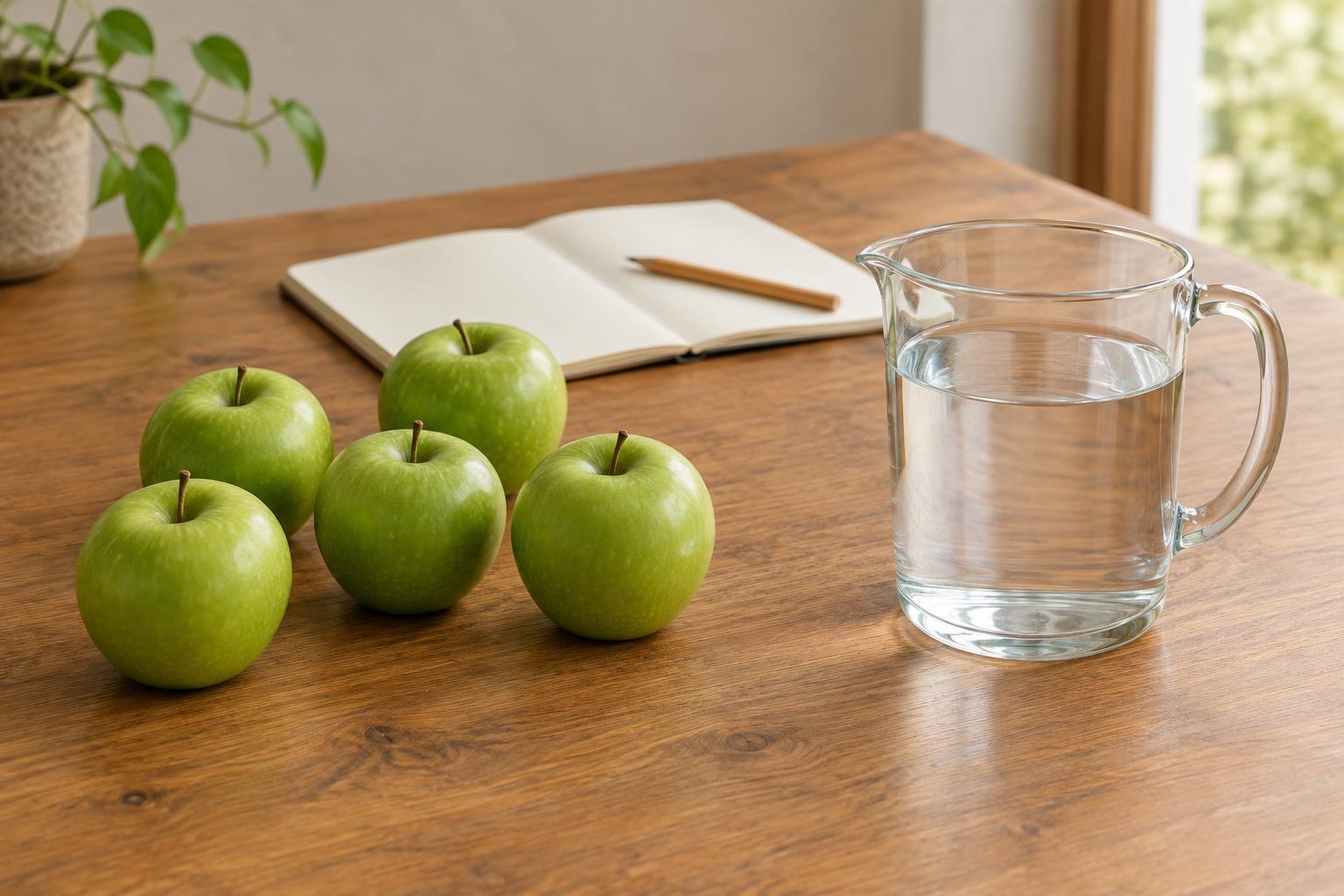
Start with what the noun means
To choose a quantifier, first ask whether the noun names things you can count individually. You can count three books, several questions, or many visitors. These are countable nouns, and their plural forms usually pair with many and fewer. By contrast, you normally measure water, time, or patience as an amount rather than count each one. These are uncountable nouns, and they usually pair with much and less.
Compare “many emails” with “much correspondence.” Both phrases could describe a busy inbox, but emails are individual messages, while correspondence describes the activity or material as a whole. The distinction is not always about the physical substance. You can count grains of rice, but rice itself is usually treated as an amount. If you change the noun to “grains,” you change the quantifier too: “many grains of rice,” but “much rice.”
Use much and many to ask about quantity
Many goes with plural countable nouns: “How many chairs do we need?” and “There weren’t many mistakes.” Much goes with uncountable nouns: “How much space is left?” and “We don’t have much time.” A quick test is to try putting a number directly before the noun. “Three chairs” works; “three space” does not. For space, you would need a unit, such as “three square metres of space.”
In ordinary affirmative sentences, much can sound stiff: “We have much time” is grammatical but less natural in casual conversation than “We have plenty of time.” Many is more comfortable in that position, though “a lot of chairs” may still sound more conversational than “many chairs.” When you are unsure about tone, “a lot of” works with both kinds of noun: “a lot of chairs” and “a lot of space.”
A noun’s meaning can shift with context. “How much coffee is left?” asks about a supply of coffee. “How many coffees did you order?” counts servings. The word has not changed spelling, but the speaker has chosen to treat it as an amount in one sentence and as separate orders in the other.
Use fewer for items and less for amounts
When a quantity decreases, fewer usually goes with plural countable nouns: “fewer interruptions,” “fewer pages,” “fewer people.” Less usually goes with uncountable nouns: “less noise,” “less paper,” “less traffic.” The contrast can sharpen your meaning. “Fewer papers” suggests a smaller number of documents or articles; “less paper” suggests a smaller amount of material.
The same choice applies when you compare two situations. “This draft has fewer sentences” counts sentences. “This draft has less detail” treats detail as an amount. You need not force every idea into one category: “fewer distractions” and “less distraction” are both possible, but they frame the experience differently. The first points to separate things that interrupt you; the second describes the overall degree of interruption.
In informal speech, you may hear less before a plural noun, as in “less problems.” For careful edited prose, “fewer problems” is the clearer conventional choice. This is especially useful when the individual items matter to your point.
Watch for measurements and units
Measurements explain why the basic rule sometimes seems to bend. Although minutes can be counted, “less than ten minutes” commonly treats the whole span as an amount of time. Likewise, “less than five kilometres” can describe a distance, and “less than twenty dollars” can describe a sum of money. In these expressions, the number and unit work together as a single measured quantity.
If you mean separate units rather than one measured amount, fewer may be the better choice. “Fewer than ten one-minute exercises” counts exercises; “less than ten minutes of exercise” measures duration. “Fewer than twenty dollar bills” counts pieces of currency; “less than twenty dollars” names an amount. Ask what your sentence is actually comparing, not just whether you can see a plural ending.
Check your own sentences
Try filling each blank before reading on: “How ___ notebooks are on the shelf?” “How ___ ink is in the pen?” “The revised story has ___ characters.” “The revised story has ___ dialogue.” “The walk took ___ than fifteen minutes.” The answers are many, much, fewer, less, and less. Notebooks and characters are separate items; ink and dialogue are treated as amounts; fifteen minutes names a duration.
For a quick edit, underline the noun after each quantifier. If it names separate things, try many or fewer. If it names an amount, try much or less. Then read the whole phrase: a measurement may be acting as one amount, and an affirmative sentence with much may sound more natural with “a lot of” or “plenty of.” The goal is not to count for its own sake, but to make the quantity—and your meaning—easy to grasp.