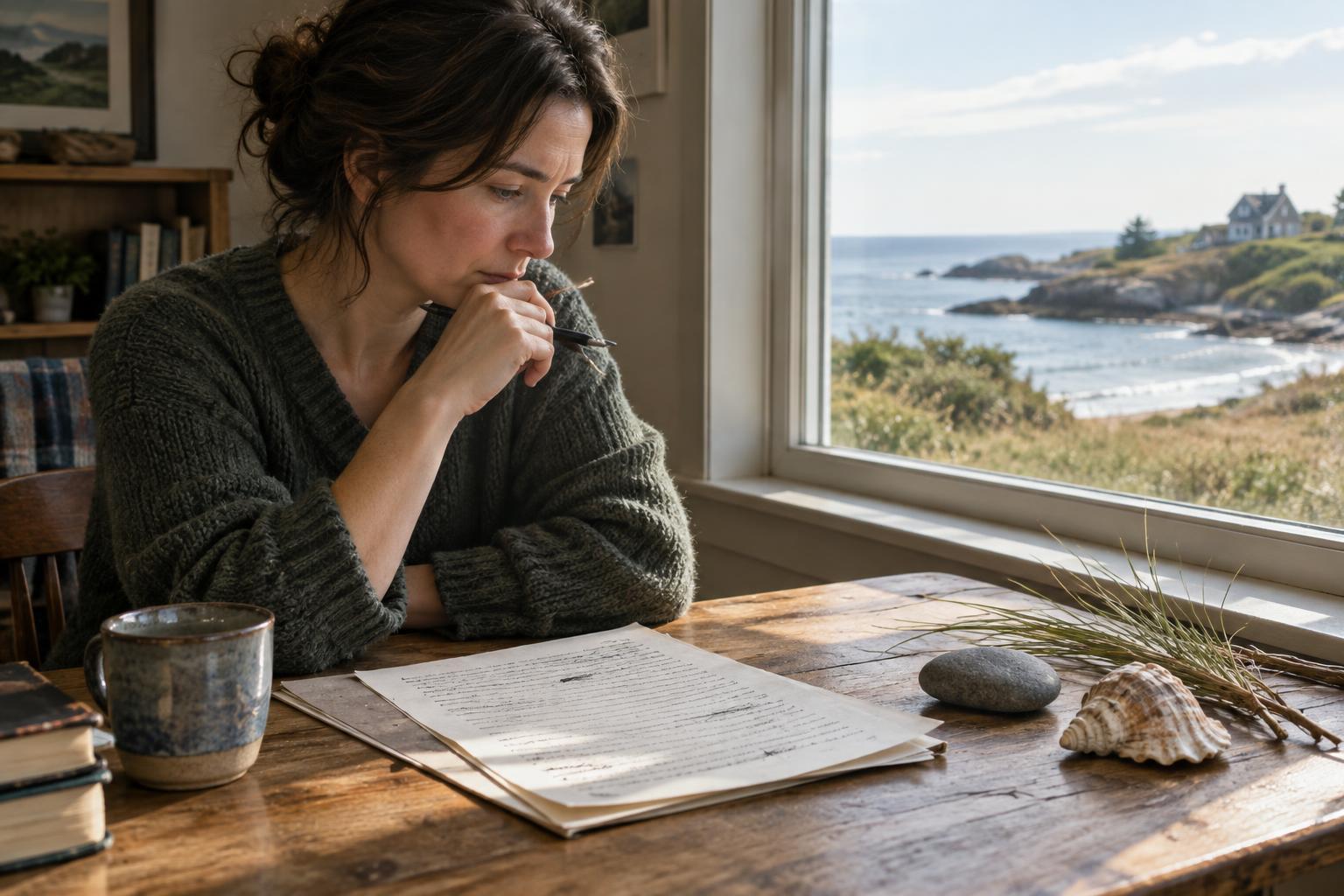
Creative WritingA satisfying ending does not have to be happy or surprising. It needs to grow from the story’s choices, return to what matters, and leave the reader with a clear sense of change. Learn how to build and revise an ending without explaining away its power.
Read article · 4 min↗

Creative WritingA strong opening gives readers something to wonder about and a reason to keep reading. Learn how to build a story question through a character’s goal, an obstacle, a revealing detail, or a choice—and how to test whether your first scene makes a promise the rest of the story can keep.
Read article · 4 min↗

Creative WritingA story does not need to show every moment in full. Learn when to slow down for a scene, when to move ahead with summary, and how to shift between the two without losing the reader.
Read article · 4 min↗

Creative Writing“Show, don’t tell” is useful advice, but it is not a rule for every sentence. Learn how to use scenes and summary together, with examples and a practical revision exercise.
Read article · 4 min↗
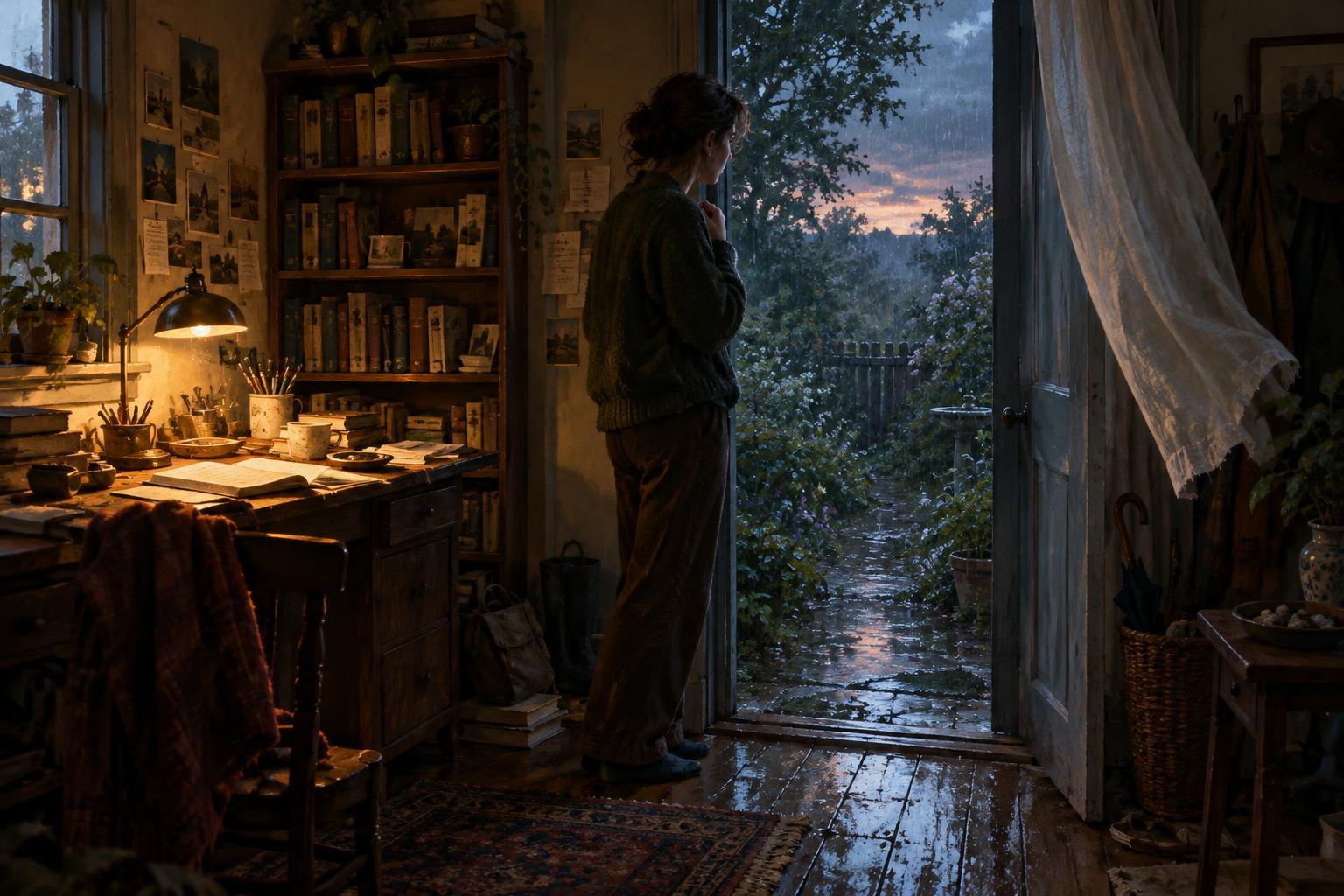
Creative WritingA setting does more than tell readers where a scene takes place. Light, sound, space and everyday objects can influence how a character feels, what they notice and what they do next. Learn to make place an active part of a scene without burying it in description.
Read article · 4 min↗

Creative WritingA conversation on the page needs more than memorable lines. Learn when to use simple dialogue tags, when an action beat adds meaning, and how to keep readers oriented without explaining every emotion.
Read article · 4 min↗
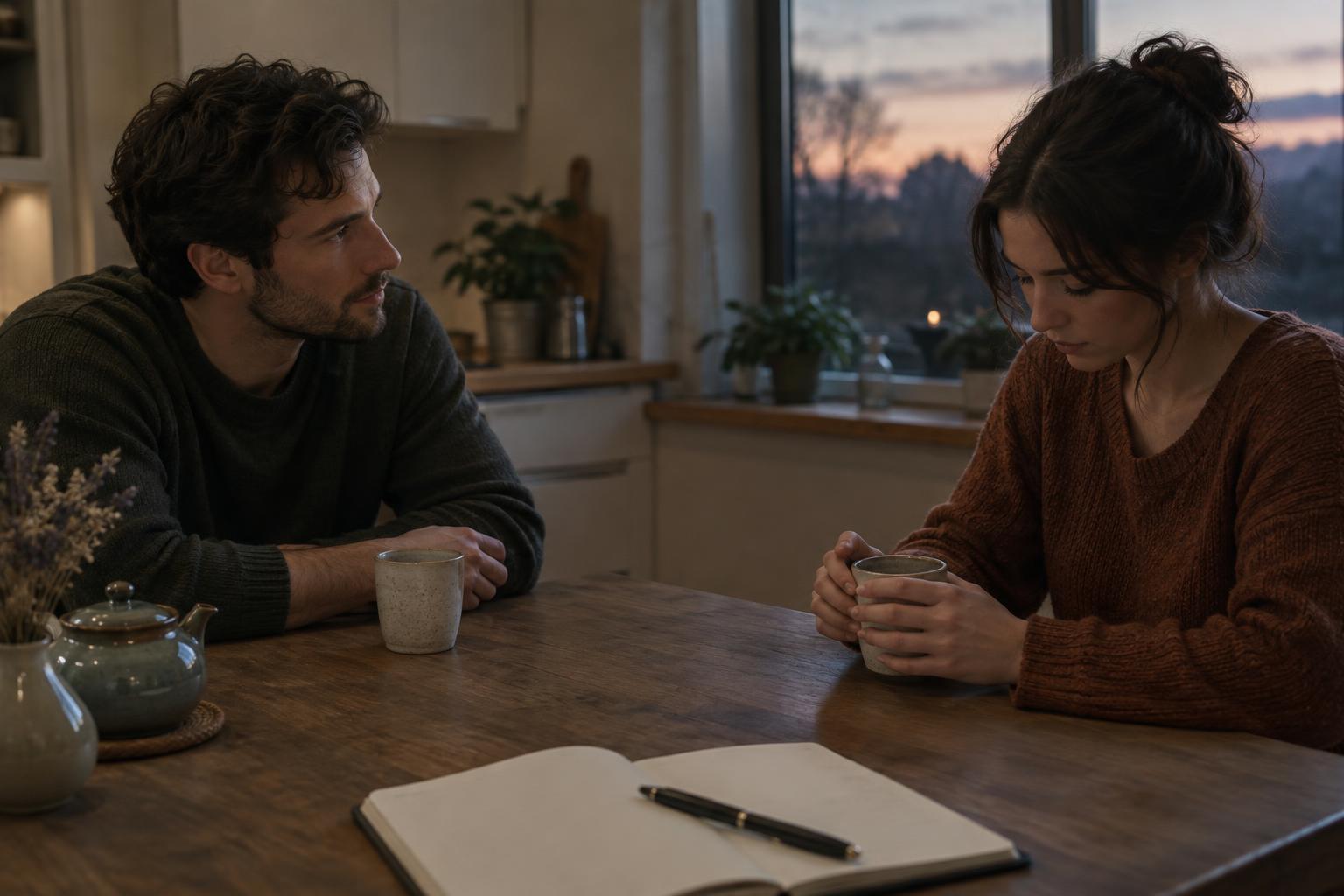
Creative WritingDialogue becomes more engaging when a character’s words, choices and silences point to feelings they cannot quite express. Learn how to build subtext through stakes, specific language and small actions, then test it in a short writing exercise.
Read article · 4 min↗

Creative WritingPast and present tense do more than place a story on a timeline. They shape how close events feel, what a narrator seems to know, and how readers experience suspense. Learn what each tense can offer and try a short exercise before choosing one for your story.
Read article · 4 min↗

Creative WritingAn unreliable narrator does more than hide the truth. Learn how to give readers fair, revealing clues through contradictions, selective detail, other characters’ reactions and moments of unintended honesty.
Read article · 4 min↗

Creative WritingPoint of view determines what readers can know, how close they feel to a character, and which details a story can reveal. Learn how to choose between first-person and third-person narration, then test your choice with a short rewriting exercise.
Read article · 4 min↗
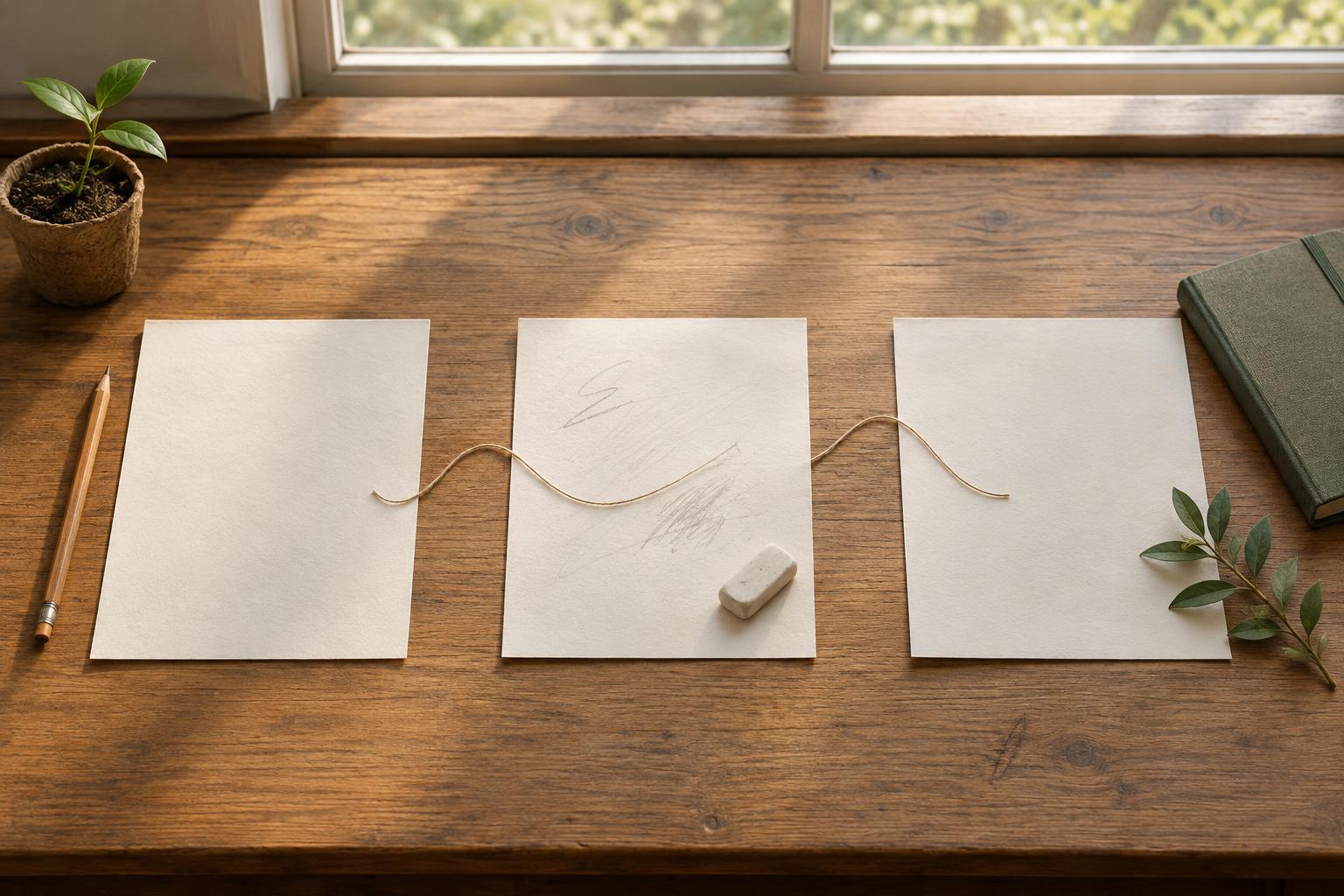
Creative WritingA short story does not need a complicated plot to feel complete. Give a character a reason to act, let a complication test them, and end with a choice that shows what has changed.
Read article · 4 min↗
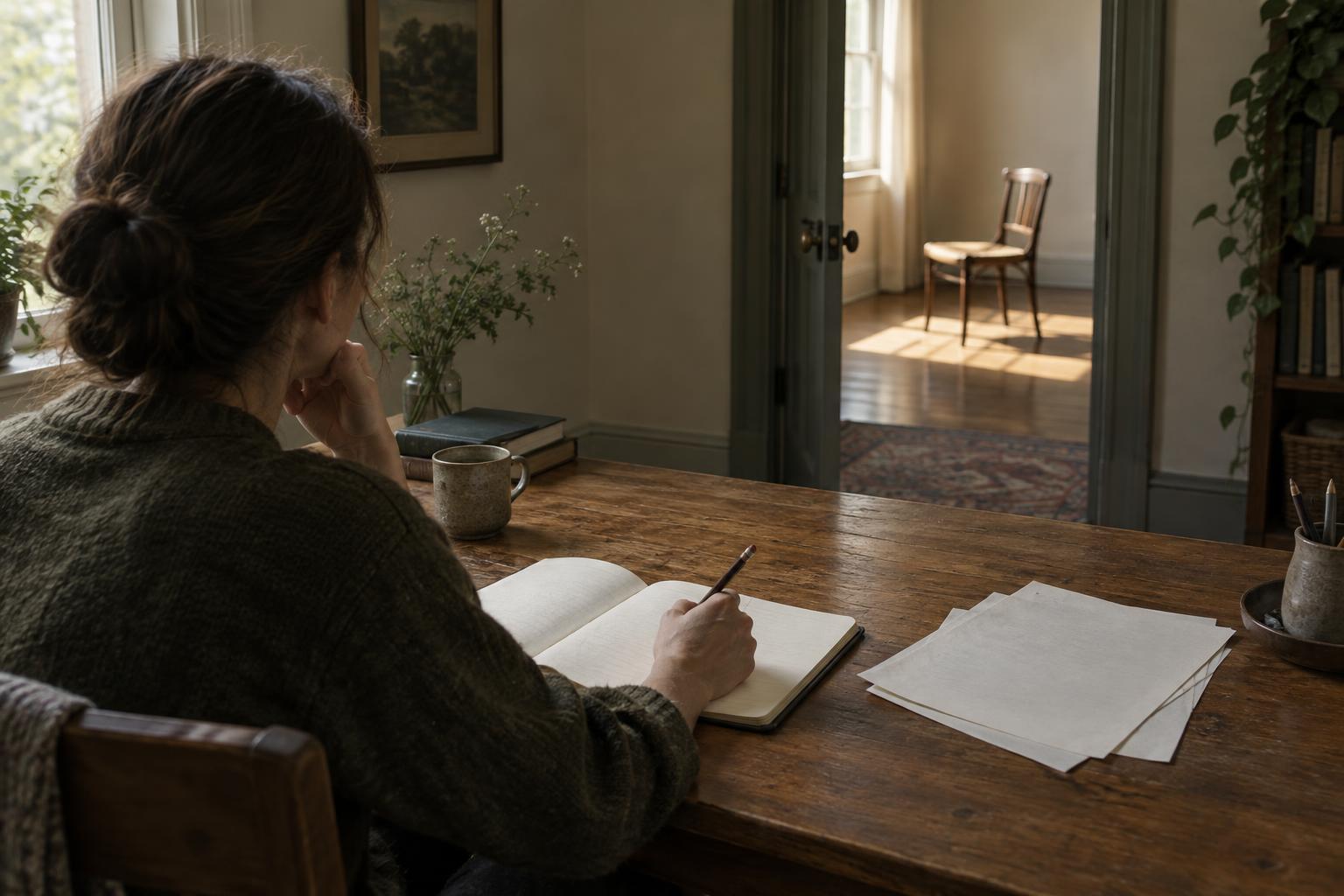
Creative WritingA strong scene does more than fill time between plot points. It begins with a character wanting something and ends with a meaningful shift. Learn how to build that shift through resistance, specific choices and a revealing final beat.
Read article · 4 min↗

Creative WritingA choice matters when a character stands to gain something they want and lose something they value. Learn how to build stakes from desire, cost, and consequence without making every decision a matter of life and death.
Read article · 4 min↗
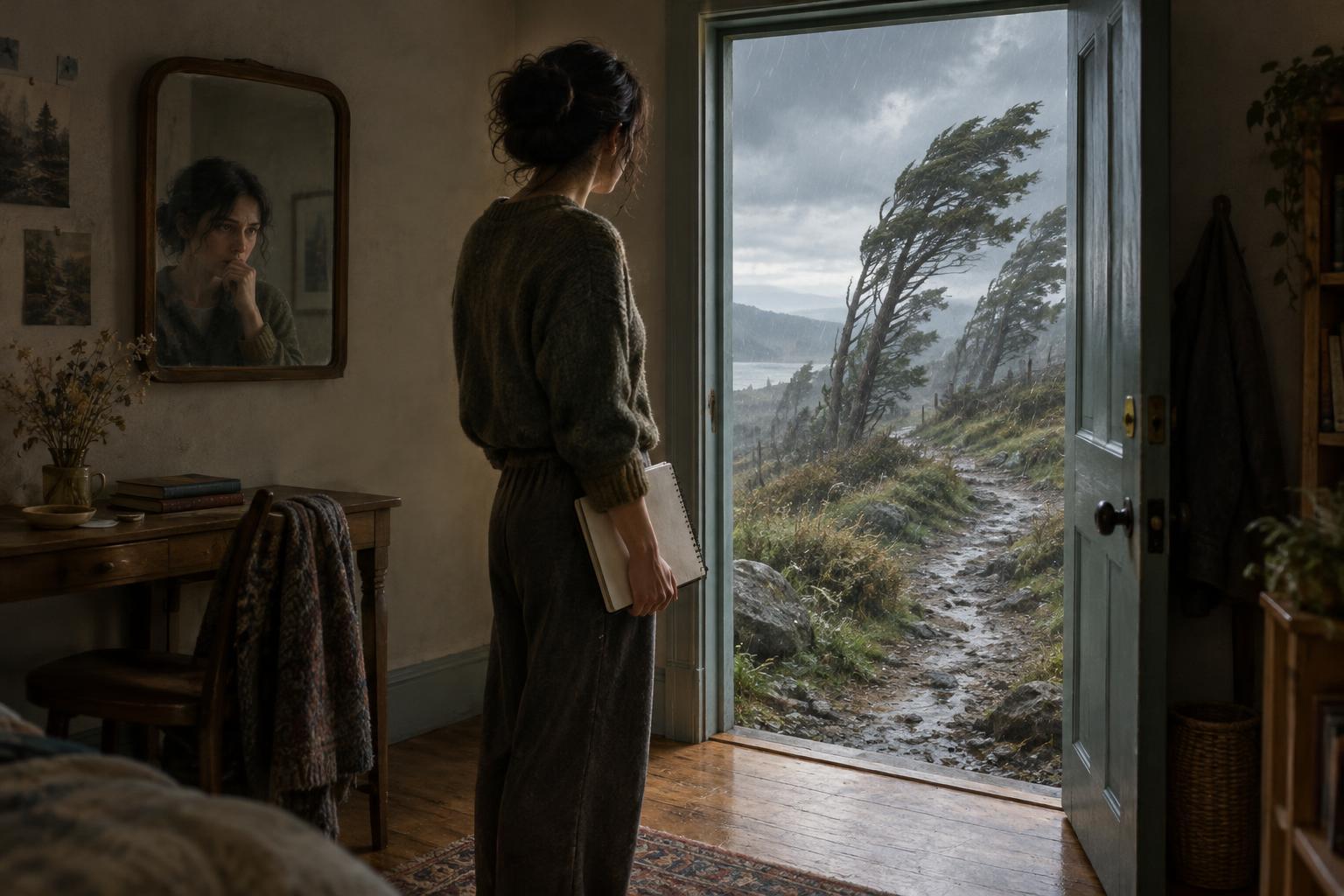
Creative WritingExternal conflict gives a character something to confront; internal conflict makes the choices involved matter. Learn how each kind of pressure works, how they can strengthen one another, and how to test both in a draft.
Read article · 4 min↗
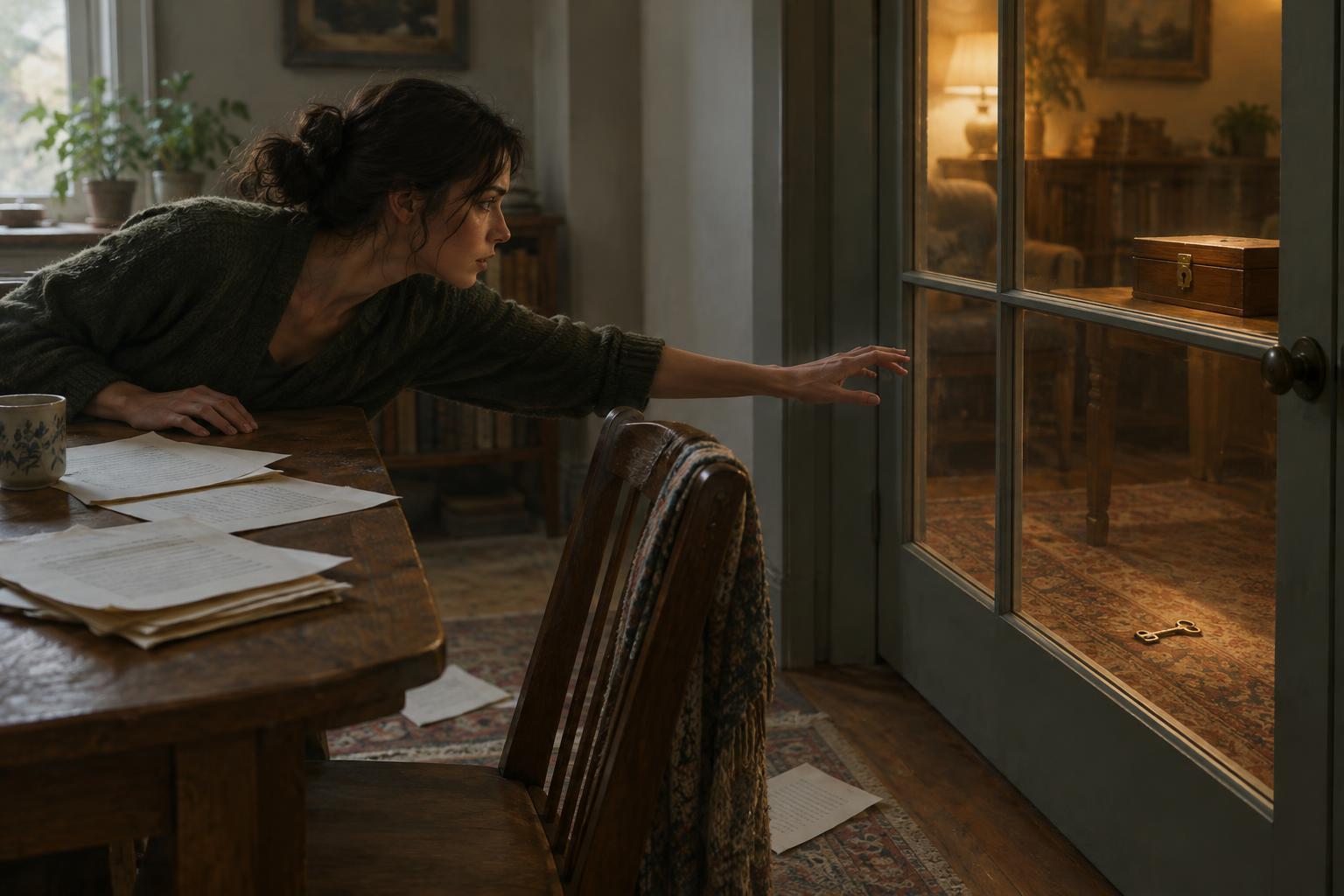
Creative WritingA character’s want becomes more useful when it points toward a concrete action. Learn how to turn a broad desire into a story engine, give it obstacles, and reveal character through the choices it demands.
Read article · 4 min↗
Creative WritingA story idea can begin with a place, an image or a question. To make it workable, give someone a goal, a reason to act now and obstacles that create meaningful choices. This guide shows how to build and test a premise without planning every scene.
Read article · 4 min↗