
Vocabulary and MeaningA plan can be solid, a question can be sharp, and a conversation can drift. Learn how physical words make abstract ideas easier to picture—and how to tell when a familiar metaphor needs a closer look.
Read article · 4 min↗


Vocabulary and MeaningA word can gain new uses, settle into a more specific meaning, or take on a sense that seems to contradict its older one. Learn to recognize three common patterns of meaning change and use context to make sense of them.
Read article · 3 min↗
Vocabulary and MeaningA malapropism swaps the word you mean for one that sounds similar, sometimes with comic results. Learn how context reveals the mistake, how writers can use it deliberately, and how to catch it when editing.
Read article · 4 min↗

Vocabulary and MeaningImply and infer describe opposite sides of an exchange: a speaker or text suggests a meaning, while a listener or reader draws a conclusion. Learn the distinction through everyday examples and a short editing exercise.
Read article · 4 min↗

Vocabulary and MeaningAffect and effect sound alike, but they usually do different jobs. Learn the common verb-and-noun pattern, see where it breaks down, and test your understanding with a short exercise.
Read article · 4 min↗

Vocabulary and MeaningPrecise writing does not mean naming every detail. Learn when a broad word serves the reader, when a specific one helps, and how to revise vague sentences without adding clutter.
Read article · 3 min↗

Vocabulary and MeaningWarm, hot, and scalding can describe the same cup of tea at different moments, but they do more than mark points on a temperature scale. Learn how context, purpose, and figurative meaning shape the word that fits.
Read article · 4 min↗

Vocabulary and Meaning“Animal” and “sparrow” can point to the same creature, but they tell a reader different amounts. Learn how broad and narrow terms work, when each is useful, and how to choose the right level of detail in your writing.
Read article · 4 min↗

Vocabulary and MeaningCalling a mistake a “learning opportunity” softens it; calling it a “disaster” sharpens it. Learn how euphemisms and dysphemisms shape a reader’s impression, when each can be useful, and how to choose words that remain clear and fair.
Read article · 4 min↗

Vocabulary and MeaningEnglish has welcomed words from many languages, but borrowing is rarely a simple matter of copying. Explore how a word’s spelling, pronunciation and meaning can change—and try a few ways to notice those changes in your own reading.
Read article · 4 min↗

Vocabulary and MeaningA word’s history can be fascinating without serving as a rule for how to use it today. Learn how meanings change, why older senses still matter, and how to choose words that communicate clearly to your readers.
Read article · 4 min↗

Vocabulary and MeaningWords often travel in families, but their meanings do not always move in a straight line. Learn how nouns, verbs, adjectives, and adverbs connect—and how to choose the form that says what you mean.
Read article · 4 min↗

Vocabulary and MeaningWhy does “look up” mean something different from “look after”? Learn how particles shape phrasal verbs, how to read them in context, and how to use them clearly in your own writing.
Read article · 4 min↗

Vocabulary and MeaningWhy does “spill the beans” have nothing to do with a kitchen mishap? Learn how idioms differ from literal phrases, how context reveals their meaning, and when a familiar expression helps or hinders clear writing.
Read article · 4 min↗

Vocabulary and MeaningWhy do we say “heavy rain” but usually not “weighty rain”? Collocations are word partnerships that help writing sound natural and precise. Learn how to notice them, choose among them and practice using them.
Read article · 4 min↗
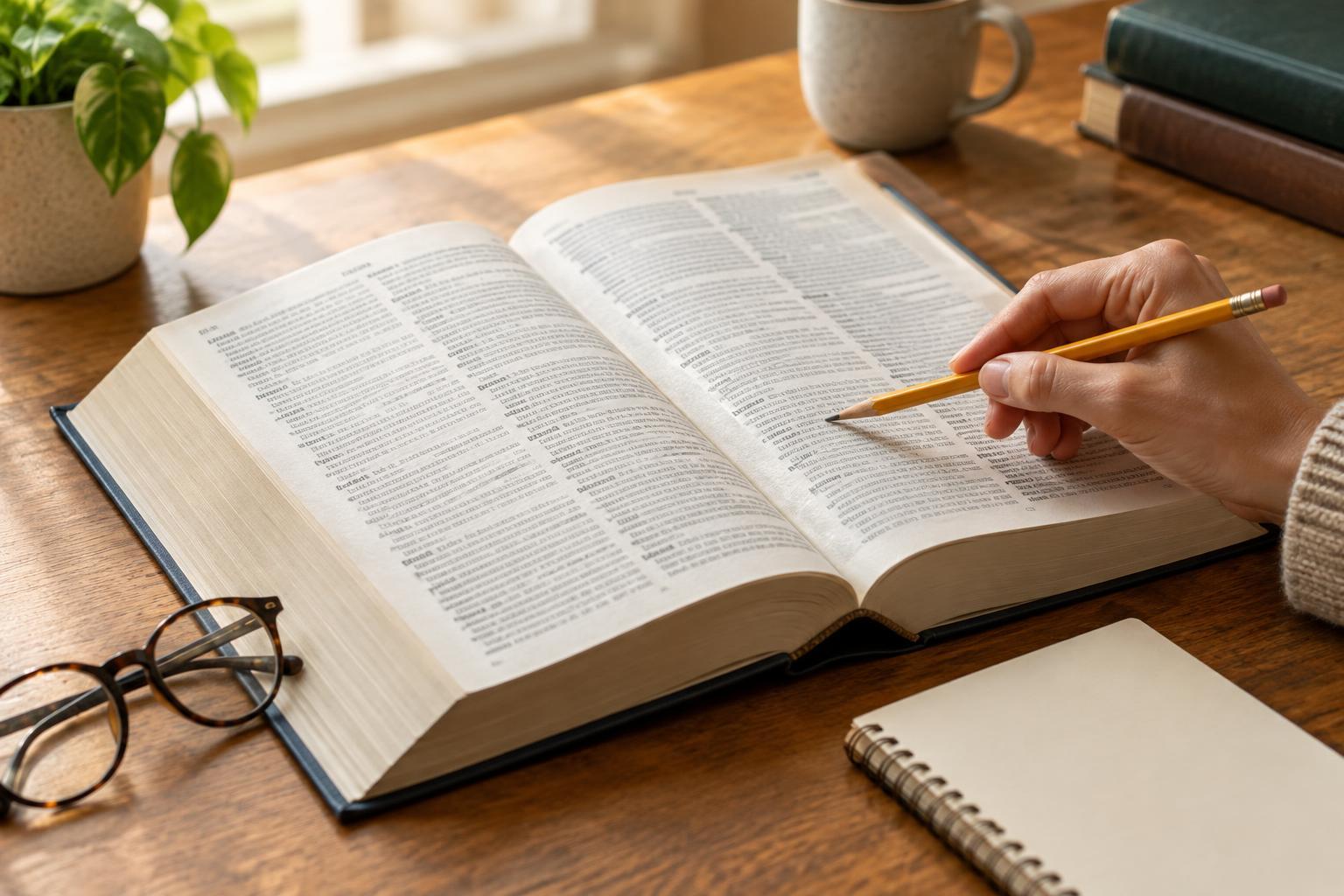
Vocabulary and MeaningA dictionary entry does more than define a word. Learn how pronunciation guides, word classes, numbered senses, and usage labels work together so you can choose words more confidently.
Read article · 4 min↗

Vocabulary and MeaningUnfamiliar words become easier to approach when you recognize their parts. Learn how prefixes, roots, and suffixes offer clues to meaning, then practise using those clues without letting them replace context.
Read article · 4 min↗
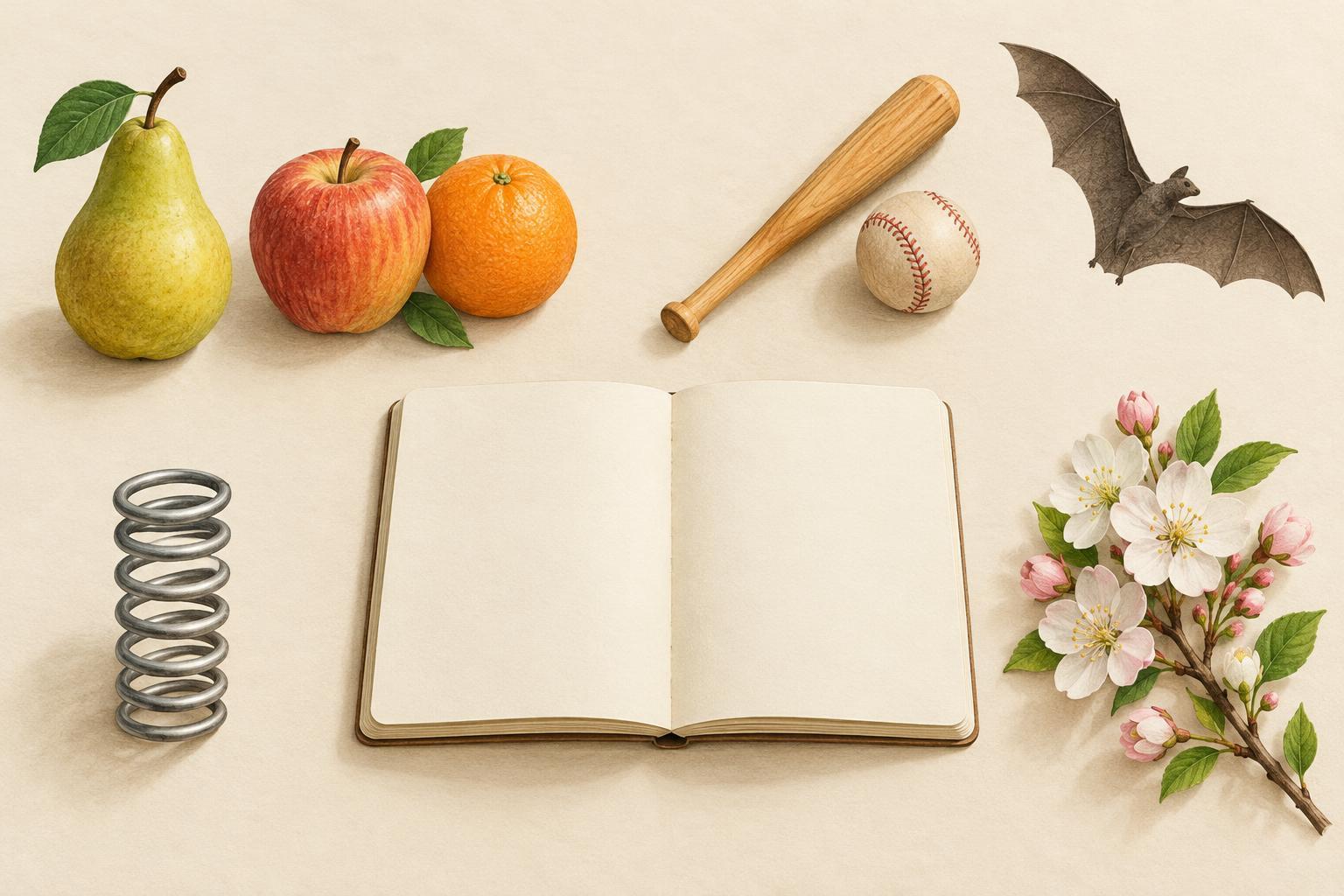
Vocabulary and MeaningSome words sound alike, some look alike, and some do both. Learn how homophones, homographs, and homonyms differ, where the labels overlap, and how context helps readers tell meanings apart.
Read article · 4 min↗

Vocabulary and MeaningA word can have several meanings without being several different words. Learn how related senses develop, how context helps readers choose among them, and how to use that flexibility in your own writing.
Read article · 4 min↗

Vocabulary and MeaningSmall, tiny, and petite all point toward limited size, but each guides a reader toward a different impression. Learn how scale, emphasis, and context can help you choose the word that says what you mean.
Read article · 4 min↗

Vocabulary and MeaningTwo words can point to the same thing and still leave different impressions. Learn how denotation and connotation work together, why context matters, and how to choose words that carry the meaning and tone you intend.
Read article · 4 min↗