
Reading CloselyA story can spend a paragraph on one glance and cover a month in a sentence. Learn to notice where narrative time speeds up or slows down, and use those shifts to make a more precise reading.
Read article · 4 min↗
Reading CloselyA title is the first part of a text we read, but its meaning can change by the final line. Learn how to notice the expectations a title creates, test them against the writing, and return to it with a closer understanding.
Read article · 4 min↗
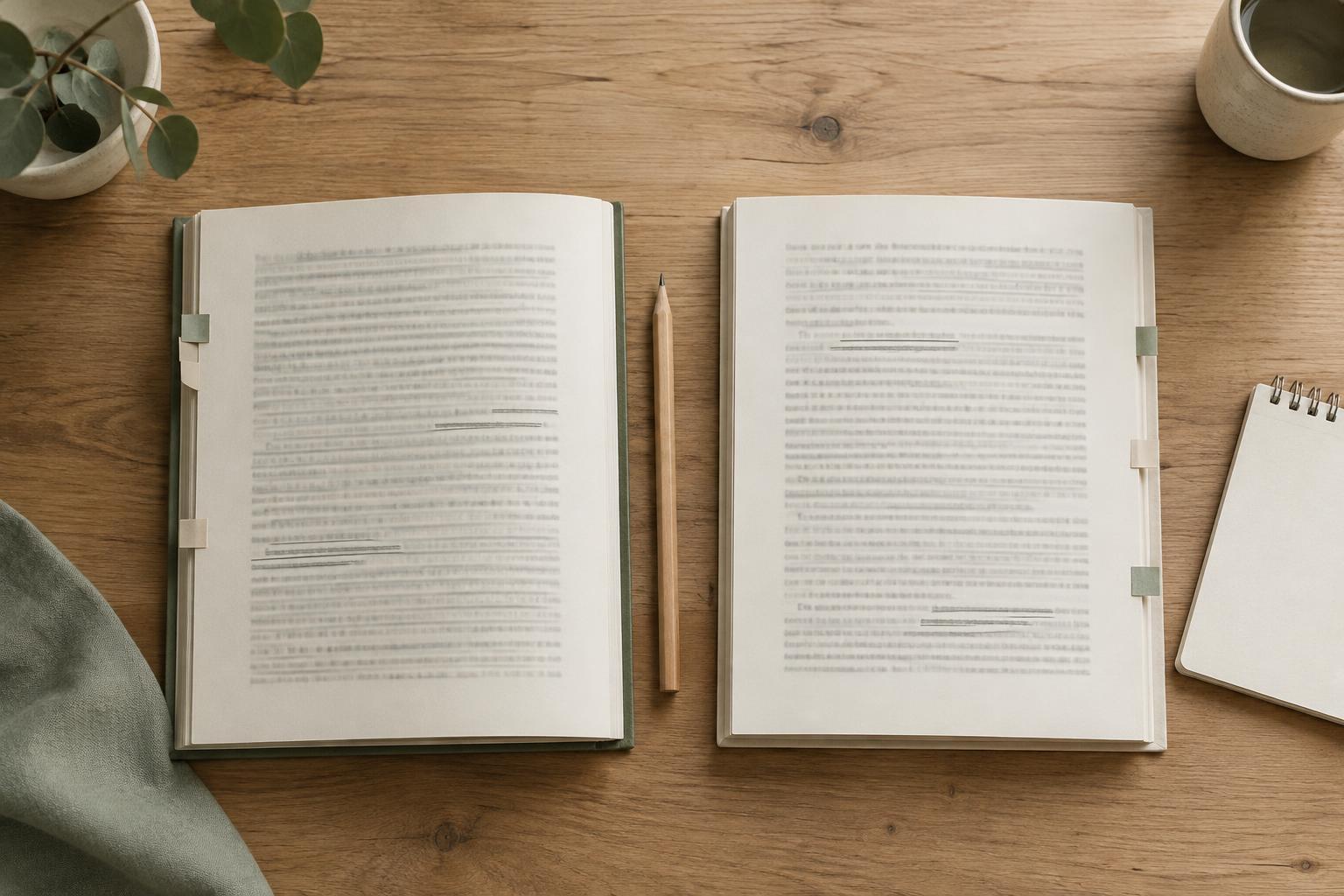
Reading CloselyTwo texts can address the same subject yet guide readers toward different conclusions. Learn how to identify a useful point of comparison, select precise evidence, and explain what each detail does.
Read article · 5 min↗
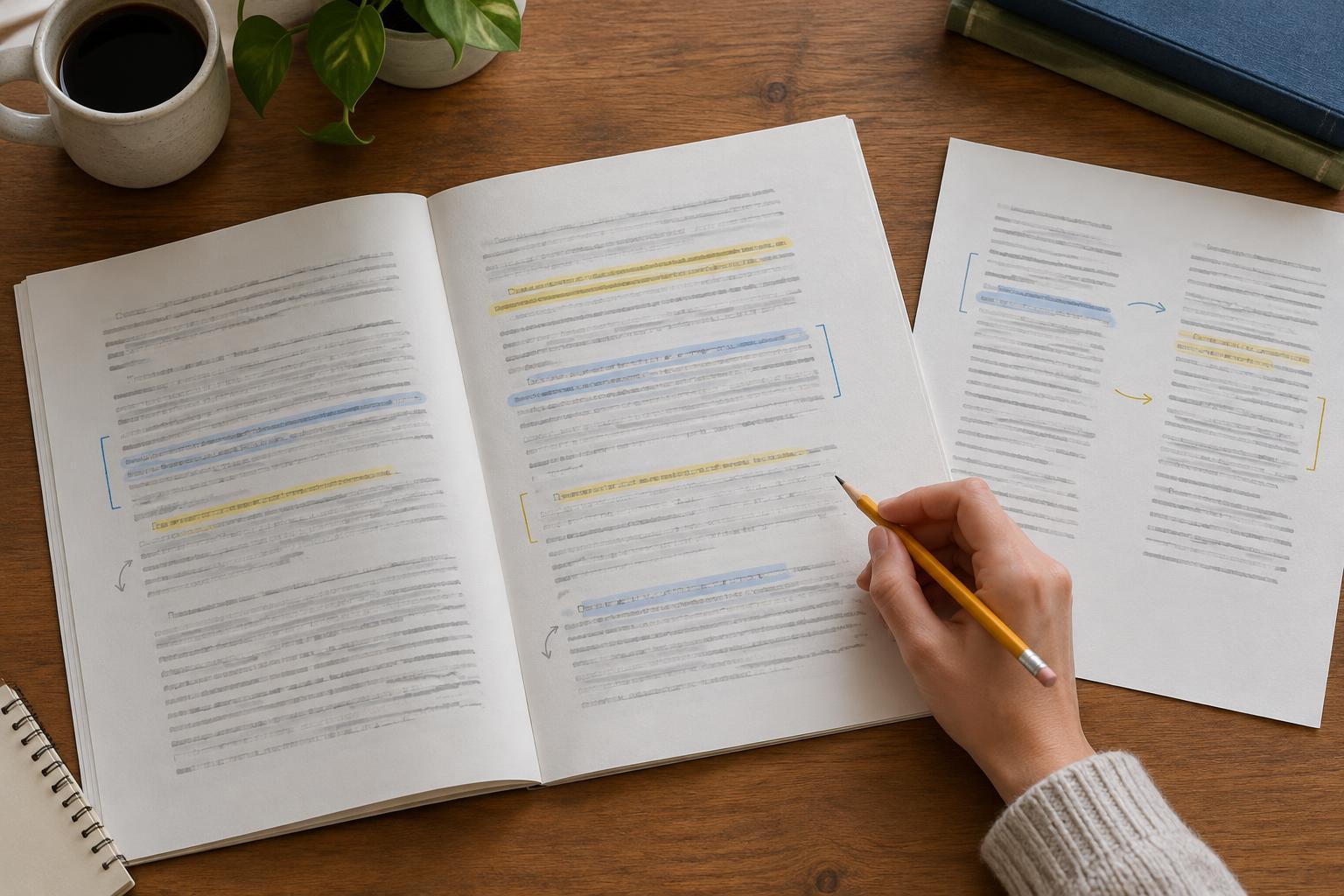
Reading CloselyA persuasive essay may acknowledge an objection without surrendering its main claim. Learn to spot concessions, trace the reply that follows, and decide whether the writer has answered the strongest version of an opposing view.
Read article · 5 min↗
Reading CloselyAn argument can sound complete while leaving out a step its conclusion depends on. Learn to identify that step, test whether it holds, and read critically without assuming the writer must be wrong.
Read article · 4 min↗
Reading CloselyA practical guide to reading nonfiction closely: find the writer’s main claim, trace the reasons offered for it, examine the evidence, and notice where a conclusion asks you to make a leap.
Read article · 5 min↗
Reading CloselyA character changes the subject. A narrator skips an argument. A detail appears twice without explanation. Learn how to notice what prose leaves open, build interpretations from textual clues, and resist turning every silence into a secret.
Read article · 4 min↗
Reading CloselyA motif becomes interesting when it changes. Learn how to notice a recurring detail, follow its appearances, and explain what its pattern adds to a short story.
Read article · 4 min↗
Reading CloselyA poem’s “I” may sound personal, but it is not automatically the poet. Learn to identify the speaker, use details in the poem as evidence, and make careful claims about voice and perspective.
Read article · 4 min↗
Reading CloselyA poem’s line breaks can shape its pace, delay a thought, or briefly change what a phrase seems to mean. Learn how to read across the break without overlooking the moment at the end of the line.
Read article · 4 min↗
Reading CloselyA change in tone can be easy to feel but hard to explain. Learn how to find the turning point, identify the language that creates it, and describe the effect without relying on vague labels.
Read article · 4 min↗

Reading CloselyVerbal irony often depends less on a particular phrase than on the gap between what a speaker says and what the situation suggests they mean. Learn how to spot that gap, test your interpretation, and avoid reading irony into every surprising line.
Read article · 4 min↗
Reading CloselyA key, cup, or coat may be important to a story without standing for something else. Learn how to test a possible symbol by tracking its appearances, its context, and the work it does in the text.
Read article · 4 min↗

Reading CloselySensory details do more than help readers picture a scene. Sound, texture, smell, taste and temperature can shape its mood, reveal a character’s attention and change how a moment unfolds. Learn a practical way to read imagery closely, then try it on a short example.
Read article · 4 min↗
Reading CloselyA repeated word may look familiar each time it appears, but its surroundings can give it a new force. Learn to trace repetition through context, tone, and point of view, then try a short close-reading exercise.
Read article · 4 min↗
Reading CloselyA sentence does more than report what happened. Its openings, pauses, clauses and endings guide what readers notice and when they notice it. Learn a practical way to read that movement closely.
Read article · 4 min↗
Reading CloselyAn unfamiliar word does not have to stop you in your tracks. Learn to use nearby words, sentence structure and the wider passage to form a working meaning, then check whether it fits.
Read article · 4 min↗
Reading CloselyA passage can contain a memorable detail without proving your point. Learn how to choose evidence that fits a precise claim, check its context, explain the connection and recognize where the text leaves room for doubt.
Read article · 4 min↗
Reading CloselyClose reading becomes easier when you separate what a text says from what it suggests and what you think it means as a whole. Learn how observation, inference, and interpretation work together, then try a short exercise.
Read article · 4 min↗
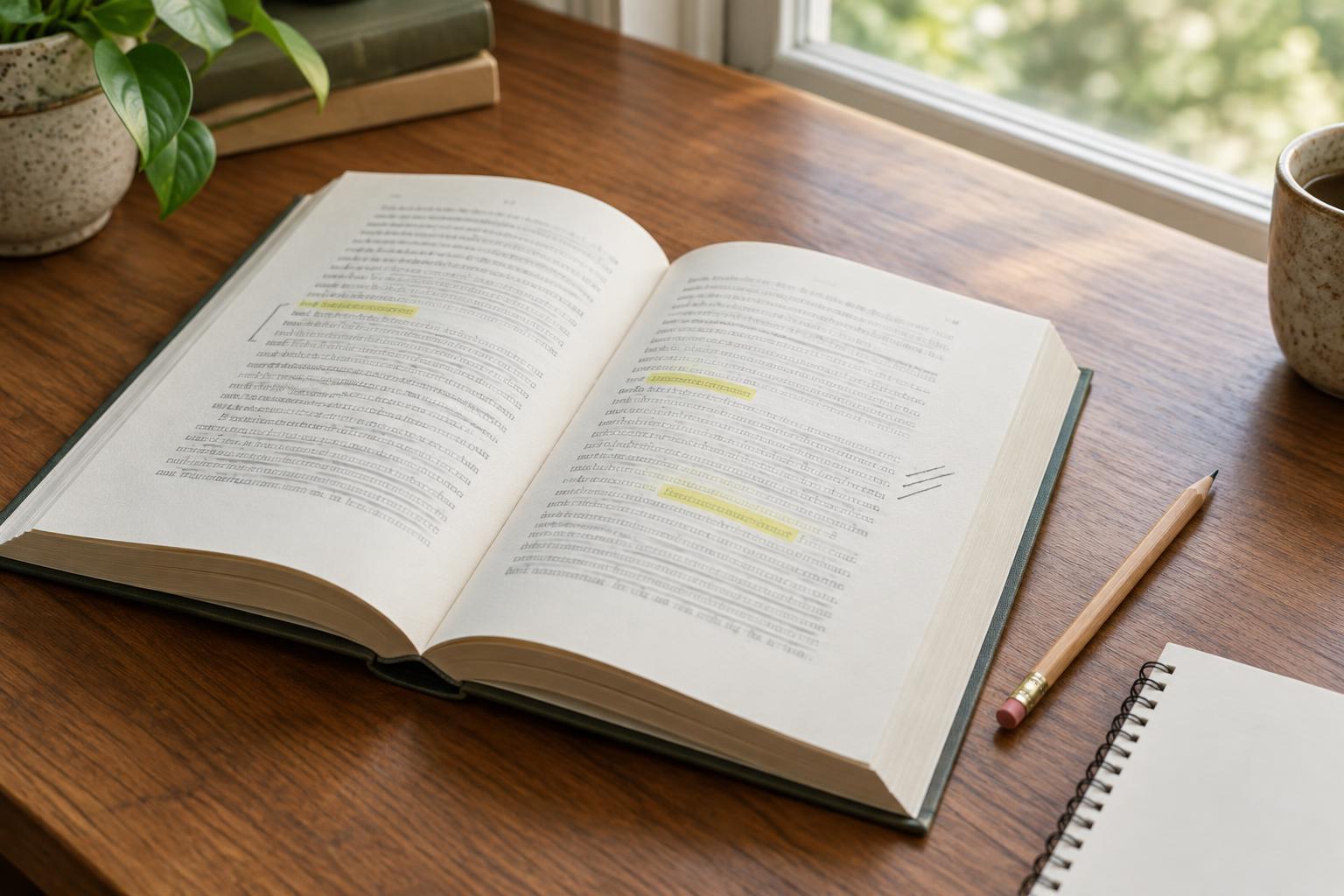
Reading CloselyUseful annotation is selective. Learn how to choose a reading question, mark only the details that help answer it, and turn a few notes in the margin into a clearer understanding of a passage.
Read article · 4 min↗
Reading CloselyA first reading helps you follow a piece; a second helps you see how it works. Learn what to notice on each pass, from your initial questions to the words, structure and silences that shape your response.
Read article · 4 min↗